
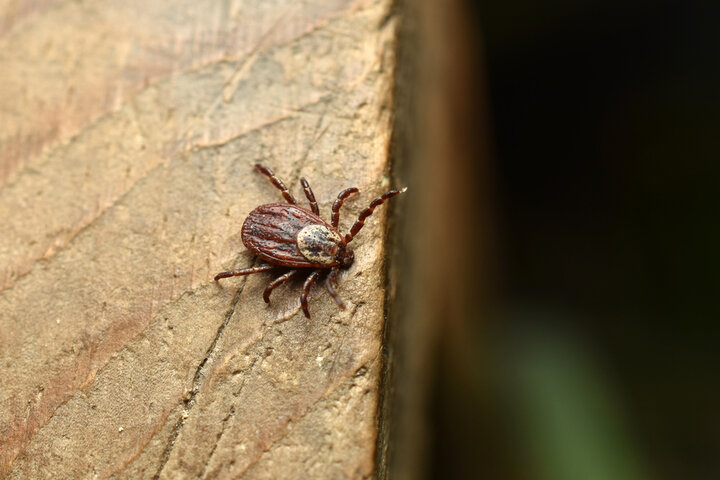
Ticks are small, parasitic insects commonly found on woodland animals. Yet, with temperatures rising for the spring and summer, more of these guys can be found. When you’re hiking it is important to frequently stop for tick checks on both you, and your pet if your pet is hiking with you. Look closely near your knees, elbows, armpits, scalp and behind your ears.
Most Common Ticks in Pennsylvania:
- Deer ticks. Small, black-legged, with a round abdomen
- American Dog tick: A little larger than a deer tick, found in tall grasses
- Lone Star tick: Have a white spot on their abdomen
Tick Prevention Tips:
There are several things you can do to prevent ticks from finding their way onto your skin. When hiking or working in wooded areas, where long pants and sleeves. For additional coverage, opt to wear gloves. Bugspray can also help prevent ticks.
Removing a Tick from Your Skin:
After you hike if you notice a small, dark spot on your skin that wasn’t there before that cannot be washed, it is likely a tick. You might even notice legs sticking out. Also, around the area where the tick has bitten you may be red.
Do not panic. Removing a tick at home can be easily done.
Grab a pair of tweezers and grab onto the bug as close to your skin as you can. Pull the tick out straight up with even pressure, being careful to avoid twisting, as that can leave the mouthparts embedded in your skin. Wash the area with hydrogen peroxide.
If you’re having trouble with removing a tick, or suspect you may have Lyme disease, please come to our community clinic for help.